Showing posts with label cat breed. Show all posts

Friday, January 6, 2012

Rare Cat Breeds

In order to choose a rare cat breed for a pet, you need to know how the breeds are defined and what breeds the cats originate from. Rare cat breeds are defined as breeds that are not generally recognized by cat registration organizations though they originate from other recognized breeds.

Breeding determines the behavioral characteristics of the cat. Some cat breeds are highly temperamental and their offspring are not very friendly. Some breeds due to the rare breeding have genetic defects and illnesses that get passed on to the kittens.

The following is a list of some of the rare cat breeds you may want to consider for a pet.

cat breeds - American WirehairAmerican Wirehair – this is a medium sized cat with a long head and round eyes. It has a firm, muscular body with rounded ears and the females in this breed are smaller than the males. The cat has a wiry coat of differing textures that comes in a variety of patterns and colors. The coat is typically dense and can be spiked, curly or crimped. Despite the wiry texture, the coat is soft; ruffle it and it will spring back into place.

These cats are good with children and other pets, make loyal and playful companions and enjoy human company. They are prone to allergies and it is recommended that the coat be kept clean and dry.

cat breeds - The California SpangledThe California Spangled – is a new breed of cat and one that is extremely expensive. It is believed to have been bred from a mix of the silver-spotted tabby, British and American short hairs, seal-point Siamese, Spotted Manx, Cairo feral cats and Asian non-pedigreed cats. This breed was developed to create funding for the larger wild cats especially leopards.

The breed in fact closely resembles a leopard, but despite initial interest, the breed is still extremely rare. The cat has a long body with a spotted coat that ranges in color from dark charcoal to silver. It has a predatory gait. These cats are not unfriendly to other cats, are healthy and need regular grooming.

The Elf Cat – is another very rare breed, not recognized by cat associations. The breed was developed from the Sphynx ad the American Curl resulting in a hairless cat with curly ears. The cats enjoy human company, are intelligent and social; they like the company of other pets and should not be kept alone. The Elf cat is a good pet for people who suffer from allergies because of its hypoallergenic quality. Regular bathing and the right room temperature are the main requirements for caring for the breed.

Friday, November 9, 2007

A Look at Cat Breeds

Over the last thousands of years, cats have pretty much handled their breeding themselves. In the beginning, they were used for one purpose - hunting and killing rodents. As the years progressed, they began to breed cats more to their liking. Now days, there are several different breeds of cats - which you can tell if you look closely.

These days there are over 70 distinct cat breeds, which are recognized through cat registries. There are several registries that will recognize around 40 breeds or so, as they exclude the more domestic breeds such as tigers. There are also many variations as well, including wild cats that have longer hair.

There are some cat breeds that have roots going back quite a bit in history. Some Japanese breeds, such as the Japanese Bobtail, can be traced back more than 1,000 years in history. These cats were very common and well known throughout Medieval Japan. Now days though, they are all but a myth throughout Japan and the entire world.

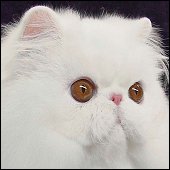
The more common cat breeds that are found in North America include the long haired cat, alley cat, and Persian cat. Siamese cats are also common, although they're well known to be destructive and to have a foul temper. Persian cats are very popular, proving to be loving companions. Persian cats can be very expense, depending on where you get it and what type of Persian cat it is.

Alley cats are the most common in North America. There are actually several different breeds, although most of us just refer to them as alley cats. They make good pets, although there are literally thousands of them in existence. Cats are known to breed more than any other pet, and they will continue to breed until they are stopped. Alley cats are among the most bred, as there are hundreds of thousands of cats that are homeless - and have nothing to do but breed.

The look of the cat is the easiest way to tell what breed he or she may be. Some people choose to go by color, although color is not as easy to identify. Different breeds of cats have different looks, such as the Siamese cats and Persian cats. Siamese cats are almost always black, and easy to identify by their color and their eyes. Persian cats on the other hand, are easily identified by their body type and their hair.

Over the years, there has been quite a few breeds come along. Cats were one of the first pets, and easily one of the most popular. Millions of people around the world own cats, with many people preferring a cat over any other pet - including dogs. No matter breed of cat you get - you are sure to get a pet that make for a great companion for years and years to come.

Thursday, November 1, 2007

Things to Know Before Breeding Your Cat

The population of cats is the United States alone is unbelievable. Nearly all experts will tell you that you should spay your cat instead of breed it. No matter what experts have to say, a lot of people want to have a litter of kittens from their cat. Before you decide to breed your cat, there are a few things that you should think about.

The first thing you should know is that breeding cats takes time. For the next two months after the litter is born, you will need to clean the area on a daily basis. You will also need to watch over the kittens as well, and keep a close eye on how they are developing. If you plan to breed a litter of cats, you won’t have time for much of anything else.

Breeding cats will also require a good degree of space as well. If you have a small apartment, you should not attempt to breed a cat. You should also make sure that your family agrees with the idea, as it is not good for the kittens if you keep them locked up. Keep in mind that kittens like to see things; they will end up going all over your home as well.

Breeding cats also requires a degree of responsibility as well. You should always have a plan of approach, including homes for the kittens to go that you are not planning to keep. Keep in mind that things can change, someone who wanted a cat may change his mind once the litter is born. In this event, you must decide whether or not you can keep a kitten that does not have a home.

Breeding also requires some education as well. You should be prepared for any problems along the way, as well as what takes place during birth. From cutting umbilical cords to delivering early, you will need to be well prepared. You should also have the proper supplies, and know how to handle things in the event of a c-section. You will also need to know what to feed pregnant cats, as their diets are very important if you are breeding.

Breeding will also cost money as well, with kittens costing a lot more money than you may think. The food is not the only thing that’s expensive, as the vet bills can also get expensive. Even though you may go through the entire pregnancy without going to the vet, you will still need de-worming and vaccination medicines as well.

In short, there is a lot to think about where breeding is concerned. If you have your mind set on it and you want to breed, you should be sure that you have the proper knowledge and everything you need before hand. You should always be ready to handle anything associated with breeding – and prepare yourself for the worst possible scenario.

Wednesday, October 18, 2006

Persian Kitty

Persian Cat. Image taken from http://www.pandecats.com

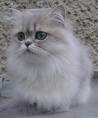
The Persian is the most popular breed of cat in the world - and one of the oldest. As their name suggests, Persians originate from the country that was once Persia, now Iran, in the Middle East. Its long coat was most likely a mutation which came about naturally to deal with cold weather. Originally called a Longhair the Persian first was noticed in Europe in the 1600's. It is thought that this was the first registered and shown cat breed. They were called Longhairs until the l960's in the U.S. In Britain the are still using the name Longhairs and each color variety is treated as a separate breed. The Persian cat of today is the result of crossing the Angora and the Maine Coon.

"The ideal Persian should present an impression of a heavily boned, well balanced cat with a sweet expression and soft, round lines. The large round eyes set wide apart in a large round head contribute to the overall look and expression. The long thick coat softens the lines of the cat and accentuates the roundness in appearance."
The Cat Fanciers Association Breed Statement


Medium to large in size is what to look for in a Persian cat. The body is stocky and wide sitting low on its legs. The legs are heavily boned, short, heavy and straight. The coat is very thick and can be as much a 6 inches long. It is double very heavy and lively. This cat requires a great deal of grooming. Daily combing or brushing with a metal toothed comb or a natural bristle brush or a brush with wires is necessary. This cat sheds year round and dead hair must be combed or brushed out daily to avoid hairballs and matting.

Tips on cleaning persian kitty ears :
Clean ears with a cotton ball or Q-Tip, but only clean out what you can see! Never enter the ear canal, leave that to the vet! Do ears after the bath. Be careful not to allow water from the bath into the ears, and cautiously around the mouth and nose not to drown your Persian kitty.


The color varieties in Britain each have their own standards where as in the United States all Persians, regardless of color, must vie to the same exact standards. This makes breeding difficult in that producing a silver Persian with the same head type and ears as most of the other color varieties is not easy. Persians are divided by color and then separated again into divisions into which most of the colors appear. The divisions incorporate the solid, shaded silvers, shaded goldens, cameos, and chinchillas.

Eyes in Persians:
Yes they water and even in a rust color in some localities! It is because of the breeding of extremeness. Please wash your Persian face daily and cautiously. Select a routine time to clean the face and groom the kitten. Don't allow the eyes to become infected by not cleaning them regularly. I also have an article on the grooming page to help with eye stains and cleaning them. I suggest a boric acid wash each day esp on the bi-color persian faces. We mix this 1 tablespoon of boric acid powder to 12 oz of boiling water. Keep this container sealed and apply on a makeup pad to clean the face, each wipe actually cleans even more. Then if the stain isn't washing off, apply some eye and wound powder to the fur around the bottom of the eye.


Also seen are smoke's and tabby tortoiseshell and particular or bicolor.. There are also shaded versions of the solid colors. Eyes must be copper with the exception of the silvers that have a blue green eye color and the goldens have green to hazel eyes. The Himalayan is the newest division in most cat associations. The Persian cats that are lilac point, blue point. chocolate point, seal point, red point, tortie point and lynx point are considered Himalayan. These all must have blue eyes.

Persian KittyThe Persian cat is a very lovable animal who is calm, and gentle. He loves to be petted and shown a lot of attention. But Persian also can take care of itself without too much entertaining by humans.

Monday, May 15, 2006

Cat Training Tips for Different Breeds

Training Different Breeds of Cats

There are many cat breeds available and one should do some research on the behavior of each kind before getting any as a pet.  Cats in general are not like dogs who want to please the owner. W hen this creature wants to perform a trick or something, it is because the animal finds it amusing and will continue to do so as long as it is having fun.

The best way to start training a cat is getting it associated with a certain sound.  When the animal responds immediately to it, the signal could mean it is time to eat or to go to the owner when the pet is being called.

The owner should call out the name of the cat first then make the distinctive sound.  Since this may take some time to practice, this should be done quite often and reinforced with some kind of reward to make the animal know what will happen when hearing it.

One good way of training the cat is with constant observation. This works well when training the cat to sharpen its claws on the scratching pad and not on the furniture. The owner should gently pick up the animal, bring it to the scratching post then hold the pet by the paws and start the action.

Since not all cats are toilet trained, one will have to watch over the cat.  When it is time for the cat to go, the person should carry the cat to the litter box for the "deed" to be done there.

Should the cat dump its waste before reaching the litter box or when the owner suddenly finds some in the house, this should be picked up and placed in the box. Afterwards, the cat should be placed in that box to make it get used with the smell, which will help the cat learn where to go should it happen again. When this happens, the cat should be rewarded with a little treat.

Cats, regardless of breed, can be trained to do tricks.  Though some do not perform the tricks in the presence of strangers or other people, it does not mean the creature has forgotten the trick.  It just means it is not comfortable in the presence of other people.

Cats can also be trained to be responsible enough to go to the proper place whenever nature calls.

For all of this to happen, it just takes some time and patience for the owner to train and reward the pet for its efforts.


Thursday, May 4, 2006

Tips in finding cat breeders

Responsible cat breeders produce better cats

It is your youngest son's birthday and you want to give him a pet that will be sociable and one that will fit in with your household.  You decided that a cat would be a good idea.  But how does one go about choosing a pet cat?

First you have to do some research on the breed of cat that interests you, or that would fit your son or your family's personality.   Most people will give a cat one look and they have already decided.  Of course, a nice-looking cat would be a welcome treat but the choice of cat should not only be based on its looks but also on its temperament.

Consider if there are children in the household and research what breed of cats are friendly and are easy to groom and to take care of?  And then decide whether you would like to get a kitten or an older cat.

Once you have decided on the breed of cat,  then look for legitimate cat breeders who can supply you with the cat you require.  Try to attend cat shows and ask for a recommendation.  It also helps to read the newspapers or surf the internet since most breeders have their own sites.

Buying a cat from a responsible cat breeder will not ensure you have a purebred cat but will guarantee that you are getting a healthy cat.  You can also ask about retired breeders as they can sell at lower prices.  Cats purchased from retired breeders are often better than kittens as they are probably already neutered, of high quality and they can easily adjust to their new home.

Responsible breeders will not sell very young kittens that are not yet weaned.  Also choose a breeder who will provide a health guarantee for the kitten as well as complete papers and registration.

Tips in finding cat breeders

1. To get good cat breeders, make sure to talk to people who may have purchased animals from the same breeders as they can give you insights as to how responsible the breeder is.

2. Ask the breeder for references and go check on these references.

3. Check a cat breeders cattery list because if the breeder has lots of available kittens, then it may mean that the breeder is having a hard time finding homes for these kittens and the reason may be significance to you.

4. Make sure the breeder can give you the cat registration, health records and pedigree records.  

A cat's lifespan is normally 20 years or more, depending on the care it is given.  Choosing a responsible breeder will make your cat not only healthier, but live longer.

Wednesday, May 3, 2006

Selecting A Breed of Cat

How to choose the cat breed that works for you

If dog is man's best friend, then cats are a man's caprice.  

Aside from being expensive, purebred cats are difficult to care for as they require their owner's love and attention.  Cats are like babies, because they need to be fed, sometimes bathed, combed, played with and cared for.

Cats are best bought from responsible cat breeders.  Hobbyists choose to own purebred cats because their temperaments are more predictable than cats with unknown pedigrees.

If you are getting a cat from a cat breeder, ask him about the number of cat breeds that he has so you can choose from them.  Also, ask him how many years he has been breeding cats and whether he can give you a health guarantee and complete papers for the cat.

Top cat breeds

If you want to show off your cat then it is best to choose from among the top five cat breeds throughout the world.

1. Persian-Persian cats are called Persian for their country of origin.  Persians have a long coat, sweet personality and have the ability to blend into the household.  These are the qualities that made Persians one of the top choices of cat lovers.  However, its long coat requires daily combing to avoid tangles.


2. Maine Coon-These are long-haired cats with good mouse hunting skills.  These cats are good companions for children.


3. Exotic-This breed can offer you the better of two worlds.  The Exotic cat has the look of a Persian cat, but it has short hair, making it easy to groom.  They look like teddy bears with their thick and short coats.  These cats are sweet and good companions like the Persians.


4. Siamese-Siamese cats originally came from Siam or Thailand.  This cat possesses an aristocratic head, looks almost like a deer because of it’s  stiff ears, and  has a short coat.   Siamese cats have long bodies, long legs and long necks.


5. Abyssinian-These cats are very elegant-looking, much like the cats portrayed in Egyptian sculptures.  Abyssinia is the former name of Ethiopia.  However, Abyssinian cats did not originate in Ethiopia.  They got the name because the first cats of Abyssinian breed, which were exhibited in England, were from Abyssinia.


No matter what your choice of a cat breed is, make sure that your cat is healthy and that it has already been weaned.  The ideal age to get a kitten is about 14 weeks, when their immune systems are already developed.

Wednesday, April 5, 2006

Tips on Responsible Cat Breeding

Breed, Not Produce: Tips on Responsible Cat Breeding

Cat breeding is not as easy as just letting cats mate.  Breeding is not just about choosing cats to produce adorable kittens to earn money.  To breed cats is not the same as to produce them.  Breeding encompasses that stage.

Breeding cats involves scientific and systematic concepts.  Producing cats involves only common sense.   Breeding cats has an emotional aspect to it.  Fulfillment does not come from mere moneymaking.  Sacrifices have to be made to achieve the breeder's goal: to safeguard the welfare of the cats.  

A lot of things must be taken into consideration before breeding cats.  Here is a guide to help us better understand the dynamic process of cat breeding.

  • A cat breeder's concern is the preservation or improvement of cat pedigree.

This is a serious matter.  Selection of the parent cats is done on the basis of health, quality traits and reproducing capability.  A breeder will never pair cats carelessly.

  • A cat breeder is dedicated to learn more about cats.

A lot of things must be learned regarding cat breeding.  Latest researches must be employed to properly select the cats to be bred.  The welfare of  the cats depends on how much the breeder knows.      

  • A cat breeder makes plans.

Breeding does not involve hasty actions.

  • A cat breeder has to follow rules set by the government.

Breeders are obliged to register their cats to their respective breeds.  Certain taxes are imposed to hobbyists and to businessmen alike.

  • A cat breeder's primary motive is to take care of cats.  Monetary motives come after this.

A cat's life is more important than money.  And it is more rewarding to see the kittens grow.  The money earned is just an additional reward.

  • A cat breeder's responsibility to the cats does not end.

His care for his cats does not end when the kittens were sold.

  • A cat breeder holds the future of the cat's offspring.

Whatever a cat breeder does affects the life of the kittens, thus extra care must be given by cat breeders when making decisions.

  • A cat breeder knows when to stop breeding.

Breeding is not just about having many cats.  It is about taking care of all of them.

After learning about these things, it can be concluded that breeding is an arduous task indeed.  However, for those who are cat breeders at heart, all these hardships are worth the kittens they bred (not produced)!